
Description
Warm spice, aromatic green leaves, and a woody finish: West Indian bay for distinctive fragrance and grooming formulations.
Bay West Indies Essential Oil for Fragrance and Formulation
Distilled from the leaves of Pimenta racemosa, West Indian bay is a distinctive aromatic ingredient associated with the classic bay rum fragrance style. Use its rich spicy character to build a memorable heart in cologne accords, grooming products, soaps, and other carefully formulated aromatic products.
This is a single essential oil, rather than a finished bay rum fragrance or an alcohol-based aftershave. Start with small evaluation blends to assess its strength and its effect on the finished composition.
Botanical Identity and Origin
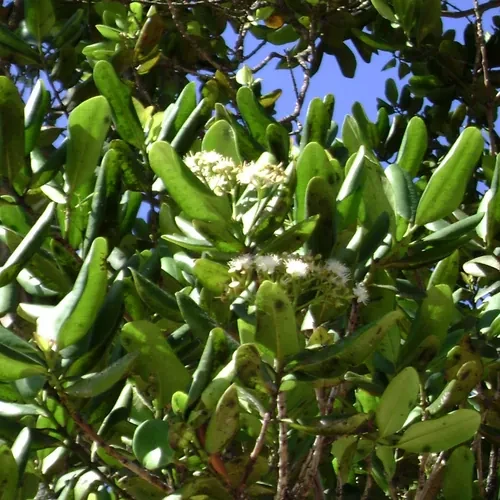
West Indian bay
West Indian bay, Pimenta racemosa, belongs to the Myrtaceae family and is native to the Caribbean and northern South America. Its aromatic leaves yield the essential oil used in classic bay rum style perfumery. The origin recorded for this product is West Indies.
Leaf distillation
Steam distillation captures the leaves' spicy, herbaceous aromatic character. The scent and analytical profile of natural essential oils can vary between harvests and batches.
Aromatic Profile and Blending Character
- Overall profile: spicy, herbaceous, green, and woody.
- Supporting facets: sweet clove-like warmth and aromatic leaf freshness.
- Blend role: a strong middle-note accent that lends structure to spice and wood accords.
- Formulation approach: evaluate at low levels before increasing its contribution.
Where Its Aroma Works Well
Classic grooming accords
Adds the recognizable warm leaf-and-spice character associated with bay rum style fragrance compositions.
Spiced citrus compositions
Brings depth to bright citrus notes and helps bridge fresh openings with a warmer aromatic heart.
Soap and home fragrance development
Offers a distinctive spicy botanical note for formulation trials. Check compatibility, stability, and applicable use limits in each finished product.
Blends Well With
Explore combinations with sweet orange, bergamot, lime, cedarwood, patchouli, lavender, and rosemary. Additional spice notes can be powerful: evaluate them carefully to keep the bay character balanced.
Example Blend Concepts
- Spiced Citrus Cologne: Bay West Indies with bergamot, lime, and cedarwood.
- Warm Botanical Woods: Bay West Indies with patchouli, cedarwood, and sweet orange.
- Aromatic Grooming Accord: Bay West Indies with lavender, rosemary, and a restrained citrus opening.
These are fragrance ideas rather than finished formulas or dilution instructions. Establish appropriate usage levels for the intended application before making a consumer product.
Sample and Bottle Sizes
Begin with a 0.59 ml sample, then choose 10 ml, 15 ml, 30 ml, 100 ml, 240 ml, 480 ml, or the catalog's 32 fl oz size (960 ml). The available selection on this page runs from sample through 32 oz.
Frequently Asked Questions
Is Bay West Indies the same as bay laurel?
No. This oil is Pimenta racemosa. Bay laurel, also called laurel leaf oil, comes from Laurus nobilis. Compare botanical names when choosing an ingredient.
What does Bay West Indies essential oil smell like?
It has a warm spicy and herbaceous aroma with sweet clove-like nuances, a green leaf character, and woody depth.
Is this a ready-to-use aftershave or roll-on?
No. It is a concentrated essential oil intended as a formulation ingredient. It requires appropriate formulation and dilution for the intended use.
Can I use it in soap or personal care products?
Suitability depends on the finished formulation and applicable safety limits. Review the relevant supplier safety documentation and fragrance standards before use; do not apply the concentrated oil directly to skin.
Botanical photo: Tauʻolunga / Wikimedia Commons, CC BY-SA 3.0. Cropped to square, resized and compressed. Botanical reference image.
Essential Oil Guidance
General quality, safety, and wholesale information applicable to all essential oils
Quality, Authenticity, and Documentation
Natural aromatic materials vary by harvest, terroir, and production parameters. To support professional use and regulatory needs, we provide documentation such as COA and SDS. For batch-specific constituent data and technical details, refer to the current COA and GC-MS where available, along with your internal specifications.
Professional and Commercial Applications
Essential oils and CO2 extracts are widely used in professional fragrance and manufacturing environments where aroma performance and formulation standards matter. Common use cases include:
- Fine fragrance: perfumes, natural fragrance bases, artisan composition work
- Luxury spa: massage and body products, signature scent concepts, treatment room ambiance
- Personal care: soaps, balms, oils, and grooming products when properly formulated
- Home fragrance: candles and aromatic goods where a stable scent profile is desired
Bulk and Wholesale Considerations
West Coast Aromatics supports professional buyers with bulk formats, consistent documentation, and responsive service for production planning. For bulk pricing, lead times, or private label inquiries, please Contact Us.
Safety and Responsible Use
Intended for professional and experienced formulation use. Always dilute appropriately for leave on applications, perform patch testing, and follow your regulatory requirements and internal specifications. For detailed hazard, handling, and storage guidance, reference the SDS and COA.
Dilution guidance
For leave on personal care products, always dilute appropriately in a suitable carrier or base and perform a patch test prior to broader use. Follow established industry guidelines and applicable regulatory standards for cosmetic formulation.
Packaging, storage, and general guidance
Packaging options, storage guidance, and general notices appear below and apply to all essential oils in our catalog.
Available sizes and container types
Packaging options from 10 ml to bulk
Designed exclusively for essential oils
All packaging is selected specifically for essential oils products, with careful consideration for oil stability, safe transport, and shipping efficiency.

Glass Amber Sizes
Sizes from 10 ml to 32 oz are packaged in amber glass bottles. Amber glass helps protect essential oils from light exposure and supports long-term aromatic stability.
- 10 ml (0.34 fl oz)
- 15 ml (0.5 fl oz)
- 30 ml (1 fl oz)
- 8 oz (240 ml)
- 16 oz (480 ml)
- 32 oz (946 ml)
HDPE Mid-Bulk Containers
The 5 lbs, 10 lbs, and 25 lbs containers are supplied in high-density polyethylene (HDPE). These containers are lightweight, non-reactive, and suitable for the safe storage and transport of essential oils, helping reduce shipping weight while preserving product integrity.
- 5 lbs (2.27 kg)
- 10 lbs (4.54 kg)
- 25 lbs (11.34 kg)
- Replaces steel containers
- Rot and rust resistant
- Replaces fluorinated containers
- UN classification Y rated
- Approximately 50% lower carbon footprint than steel
Steel Drum
For large-volume orders, essential oils are supplied in a steel drum designed for bulk storage and transport. Steel drums provide durability and stability for high-volume essential oil handling.
- Drum size: 396 lbs (179.6 kg)
Please note: The packaging shown above is a general representation of the available sizes and container types for this product. Packaging may vary, and not all sizes or container types may be available at all times.
Storage
Store tightly closed in a cool, dark place. Oils shipped in metal containers or high-density polyethylene (HDPE) containers are recommended to be transferred to dark glass for optimal long-term freshness and shelf life.
Important
For external use only.
This information is provided for general product guidance and is not intended to diagnose, treat, cure, or prevent any disease. Use in accordance with applicable cosmetic and safety regulations.
Disclaimer
The information provided is for general informational purposes only and is not intended as medical advice. West Coast Aromatics does not guarantee completeness or accuracy. Refer to your internal specifications and documentation for current details.