
Description
A fresh, green, herbaceous essential oil with cool camphoraceous character, gentle spice, and smooth earthy warmth, valued in massage preparations, body care, spa blends, and refreshing aromatic formulations
Traditional Thai Plai for Professional Formulation
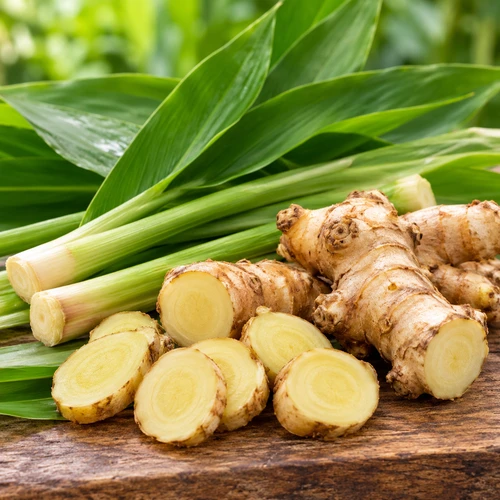
Plai essential oil is steam distilled from the rhizome of a plant in the ginger family and has a long association with traditional Thai herbal and massage preparations. Formulators often select it for massage oils, balms, body oils, creams, spa products, soaps, and diffuser blends that benefit from a fresh herbal profile with cool aromatic lift and subtle spice.
Plai is useful when a composition needs an invigorating herbal character without the sharpness of a strongly medicinal accord. It can brighten woods, complement minty and camphoraceous oils, connect citrus top notes with earthy base notes, and add a distinctive Southeast Asian botanical character to professional massage, spa, and personal-care formulations.
Why Thailand and Why Rhizome Distillation
Thai botanical tradition
Thailand has a long history of using Plai in traditional herbal, massage, spa, and body-care preparations. Thai Plai is valued for its fresh herbaceous aroma, cool camphoraceous character, and warm spicy-earthy undertones.
Steam-distilled rhizome
Steam distillation of the rhizome captures green-herbal freshness, cooling aromatic lift, gentle spice, and smooth earthy depth. The resulting oil is vibrant yet balanced and works well when a formula needs freshness and definition without losing botanical warmth.
Aromatic Profile and Blending Character
- Overall profile: fresh, green, herbaceous, camphoraceous, softly spicy, and earthy
- Supporting facets: cool aromatic lift, warm rhizome character, subtle woody depth, and clean botanical freshness
- Blend role: middle note that adds herbal definition, aromatic structure, and a warm earthy bridge
- Best approach: use to support massage, spa, herbal, woody, citrus, and refreshing aromatic blends that need a distinctive botanical character
Benefits in Fragrance and Product Design
Fresh herbal definition
Adds a distinctive green, herbaceous character that can make formulations feel fresher, more botanical, and more dynamically balanced.
Massage and spa character
Well suited to massage oils, balms, creams, body oils, and spa-inspired formulations where cool herbal lift and warm aromatic depth are desired.
Versatile blending bridge
Connects cooling herbs, woods, resins, spices, and citrus oils, helping complex blends feel cohesive and professionally structured.
Personal Use and Home Fragrance
Plai is often chosen for massage blends, spa-inspired body care, refreshing diffuser compositions, and personal aromatic formulas intended to create a fresh, herbal, and grounded atmosphere. Its green-camphoraceous profile works particularly well with eucalyptus, peppermint, rosemary, lavender, lemongrass, bergamot, sweet orange, cedarwood, and frankincense.
Practical Tips
- Use to add fresh herbal character to massage oils, balms, soaps, and spa-inspired formulations.
- Pair with eucalyptus, peppermint, or rosemary for a cooler and more invigorating aromatic direction.
- Combine with lavender, frankincense, or cedarwood for a softer and more grounded composition.
- Blend with bergamot, sweet orange, mandarin, or lime to brighten its green and softly spicy character.
Example Blend Concepts
The following concepts illustrate how Plai Thailand can function in an aromatic composition. They are starting points for experienced users and professional formulation work. Always dilute appropriately, review current technical documentation, and follow applicable safety guidelines.
Thai Herbal Massage
Profile: fresh, herbal, cool, and grounding
Blend idea: Plai + Eucalyptus Radiata + Peppermint
How to use: An aromatic direction for massage oils, balms, and spa products that need cool herbal freshness with botanical depth.
Herbal Calm
Profile: fresh, balanced, and softly grounding
Blend idea: Plai + Lavender + Frankincense
How to use: A balanced direction for massage and body-care concepts where herbal freshness is rounded by floral and resinous notes.
Thai Citrus Spa
Profile: bright, green, refreshing, and aromatic
Blend idea: Plai + Lemongrass + Bergamot
How to use: A lively aromatic direction for spa-inspired diffusers, massage products, soaps, and body-care formulations.
Tip: Plai works especially well as the herbal heart of a massage or spa blend when a formula needs freshness, aromatic lift, and a distinctive Thai botanical identity.
Blends Well With
Plai Thailand pairs well with cooling herbs, citrus oils, florals, woods, resins, and warm spices that complement its fresh green character and earthy rhizome undertones. Consider combining with:
- Cooling and herbal: Eucalyptus Radiata, Peppermint Yakima, Rosemary Camphor Type, Tea Tree
- Citrus and bright herbal profiles: Lemongrass, Lime, Bergamot Calabrian, Sweet Orange, Mandarin
- Florals: Lavender Angustifolia, Geranium Egyptian, Ylang-Ylang #2
- Woods: Cedarwood Atlas, Sandalwood East Indian, Rosewood
- Resins and grounding notes: Frankincense Carterii, Myrrh, Cistus
- Warm and earthy accents: Ginger, Cardamom, Patchouli, Black Pepper
Frequently Asked Questions
What does Plai essential oil smell like?
Plai essential oil has a fresh, green, herbaceous aroma with cool camphoraceous lift, gentle spice, and a smooth earthy undertone. Its distinctive profile is particularly well suited to massage, spa, and herbal aromatic formulations.
What is Plai essential oil?
Plai is an aromatic rhizome in the ginger family associated with Thailand and Southeast Asia. Its essential oil is steam distilled from the rhizome and is valued for a fresh, herbaceous, camphoraceous, and softly spicy aromatic profile.
How is Plai different from Ginger essential oil?
Although Plai belongs to the ginger family, its aroma is different from typical Ginger essential oil. Plai is generally fresher, greener, and more camphoraceous, while Ginger essential oil emphasizes warmer, drier, and more recognizable spice notes.
Is Plai suitable for massage and body-care formulations?
Yes, when properly formulated and diluted. Review the current SDS, COA, and applicable technical documentation, perform appropriate compatibility and stability testing, and follow professional safe-use guidance for the finished product.